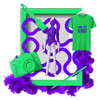
Get Good at Social Media

Introduction

Social media platforms still persevere, but their algorithms have changed drastically from a decade ago. They started as free-and-easy havens for the everyman to gather and exchange thoughts, sentiments, and word-vomit in a space where casual was cool. However, shifting algorithmic tides have swept away the liberty of free speech for a hard-knock, often suppressive reach for business owners.

Even the best of your posts could go unnoticed if you don’t get ahead of the digital trends.

Read on for the latest on social media optimisation.

1. Evolve with Algorithms

This image illustrates a human with a computer mounted as a head, symbolising human-centric social media publishing and engagement through analytic tools.

Social media platforms have been a mainstay for decades, but their marketing tactics stay as robust as their ever-evolving users.

Truly great businesses are masters of social media. With AI running rampant, your audience can smell a fluff piece from miles away. Socials nowadays have to offer genuine value-adds for mass market appeal.

Here’s a breakdown of the changes on key platforms:

1.1 Instagram

Once the go-to platform for glossy stills, Instagram has now shifted to a video-focused approach. Heighten your exposure with Reels, the now-primary driver of visibility. Short-form, emotionally compelling social media content is favoured, offering improved reach to your followers and on the discovery feed. Fuse in dynamic visuals and audience-focused storytelling; take your audience from “Awareness” to “Conversion”.

Analytic tools hold varying values. Today, Instagram values saves, shares, and DMs far more than likes or follower counts. To maximise reach, craft content that’s shareable and save-worthy. Strengthen your online presence by actively replying to comments and fostering two-way interactions. It’s a smart way to strategise return rates, telling the algorithm your content is worth amplifying.

1.2 Facebook

Facebook has reoriented its algorithm to favour relevance over relationships. Heavier emphasis is placed on video content, local engagement, and group activity. Content from groups, interest pages, and public figures generally outrank those from “Friends”.

Market where users connect for peak digital optimisation. To stay visible, create short, engaging videos tailored to local or niche interests. Embed clear prompts for discussions, and stay active within industry-relevant communities. Building trust through interaction signals your brand value to Facebook’s robust ecosystem. Oh, and videos eclipse statics once again.

1.3 TikTok

America had a problem. When TikTok was banned from the States, the platform’s devotees rushed to Douyin, its China-based equivalent, for the same dopamine rush. Within a day, TikTok was unbanned.

With such a loyal fanbase, businesses would be foolish not to seek total TikTok domination now. The platform is here to stay, and so should your audience – watch time is king. How long users watch before scrolling is the strongest success signal. Foster this by hooking your viewers within the first three seconds; punchy intros and storytelling hooks establish great presence while sticking in the minds of consumers – and absolutely NO Millennial pauses.

Drop consumer-focused “How-Tos” to put a face to your brand while informing the audience about your products and their benefits.

A great example of this is Nateskin. A Malaysian brand established in 2021, its founder, Jared Chuah, recognised a gap in the male grooming industry: a lack of safe, at-home “manscaping tools” during the COVID-19 pandemic.

This image depicts a man holding two fruits and a Nateskin shaver, symbolising smooth male grooming as promoted by the brand.Nateskin’s comprehensive brand identity allows them to be bold and go rogue with strategy, curating a distinct consumer base that just gets it.

Thus ensued Nateskin’s quest to destigmatise male grooming and address pain points without the awkwardness. Their TikTok advertisements leverage punchy visuals and risqué hooks, often featuring aspirationally charismatic (and suggestively un-dressed) men to incentivise buys from the audience. It’s a masterclass in catching and keeping audience attention. The men want to be the models, and the women want their partners to look as good as them. And the visual innuendos sprinkled throughout keep the audience guessing.

TikTok is the place for cool businesses to showcase how in-the-know they are. Use the platform as your digital repository of trends, current music, and humorous gags to target its younger demographic and create buzz about your brand.

1.4 LinkedIn

LinkedIn is more than a digital resume now. It’s an excellent resource for thought leadership and professional storytelling. Reward your algorithm with posts that generate meaningful interactions. LinkedIn has (probably) the most content-conscious users there are. It’s the only platform where users aren’t totally zombified when scrolling.

Market with insight. To thrive on LinkedIn, brands must move beyond announcements to offer perspective. Elevate your content through long-form, high-value posts. Publish lessons learned, tried-and-true social media marketing aids, value-packed breakdowns, and industry predictions. Spark commentary and commenting, and the algorithm will meet you halfway.

2. Understand User Behaviour

This image illustrates a man surrounded by social media logos, symbolising dynamic consumer interests within robust social tools.

Social media platforms have been a mainstay for decades, but their marketing tactics stay as robust as their ever-evolving users.

We’ve moved far beyond “consumer buckets” for audience analysis. Each target demographic is as complex as the next, with nuances that influence their social, political, and consumerist beliefs. Look into what motivates your target audience to engage with online platforms.

For example, instead of asking, “What does Gen Z want?”, ask, “Why does this group engage with Reels more than Stories?”. Investigate micro-behaviours such as content preferences, interaction patterns, and platform loyalty. They reveal actionable insights that surpass broad demographic identifiers.

For businesses seeking Gen Z reach, age-based messaging is an outdated approach. To write this crucial demographic off as chasers of dance trends and the next fashion fad ignores a large base of conscious and multi-platform savvy consumers. No matter the type of content, messaging should possess contextual value that aligns with deeper motivations. Moreover, Gen Z content creators are different from their audience. Analyse the comments of large creators: what are the common sentiments and themes you find?

Nuanced motivations extend beyond the younger generations. They are a universal truth. Many brands believe that Reels, as a relatively new and innovative content format, should target the youngins. While the majority of Gen Xers (born between 1965 and 1980) aren’t posting Reels, they do still consume and share media.

In fact, according to Sprout Social, Gen Xers are steadily establishing a presence on emerging networks, with 54% on TikTok and 13% on Threads. Often family-motivated, this segment seeks to share insights with family and friends that serve as true value adds. From topics like media literacy, to healthcare, to home upgrades – sharing content is a global show of care.

When crafting content, understand what you’re posting, where, and why. Cross-posting is a great tactic for maximising reach, but why exactly does your business have a TikTok account? For a younger audience? What are you trying to achieve, and what is the message you want to send to them? Ensure that your content adds value to your target demographics.

Conclusion

Social media landscapes are ever-changing. The businesses that grow with their audience have unlocked the cheat code to industry survival. Stay true to your brand values to make your content organic (and authentic). Your social media presence will thank you.

Visit our website to discover our suite of services.

Scale ahead with MIU.

7 Tips to Boost Your Social Media Shares

7 Tips to Boost Your Social Media Shares

Having a social media strategy is a must when it comes to digital marketing. Just take a look at how much social media has influenced the way we market and communicate!

However, we can all agree that the right social media strategy will bring you the best returns. Not all methods built equally, which is the difference between a good strategy and a bad strategy.

One area to focus on in your social media strategy is the number of shares you accumulate. After all, part of what makes social platforms so powerful is the ability to expand your reach and gain enormous amounts of exposure — only by word-of-mouth. Going “viral” is a thing — and it’s not always bad.

Social shares do precisely that. However, to get the maximum amount of social media shares, there are steps to follow. Results don’t come by easy — they need the effort to achieve it. Here’s what we think can help you get the shares you need.


1. Prioritise the most shareable content format


This might go without saying, but a lot of times, marketers make the mistake of sharing all forms of content without considering what sort of content they are.

Research has shown that visual content is the most shared on social media, as they are quick to read and easy to digest. TikTok is one such proof that visual content is all the rage right now — look at how rapidly it has grown within the past few years. Sprout Social Index found that of all content that has been shared on social media, 68% of them are images, and 50% are videos.

Use the functions that are already available in these social media platforms to your advantage. For instance, Twitter allowed you to pin one tweet that your followers would see above all else, and Instagram has the Highlights section where your audience can click in to discover more about your brand. So prioritise putting videos and images in these areas for maximum shares.


2. Use in-built features to generate responses & increase engagement


When we talk about the function, social media platforms are now rolling out many features to cater to the increasing number of brands that use their site. Twitter has an in-built poll feature, as does Instagram. Besides that, Instagram also has a question-and-answer feature for their Stories. Get your audience responding and boost your brand awareness with such features!

LinkedIn also just released a new update where users can add links to their stories as well, to redirect viewers to their site. There are plenty of inbuilt features that you can play around to increase engagement on your social media platforms, so don’t hesitate to try it out!


3. Ride the wave on trending topics


This is the formula for getting viral — which, as mentioned, is not always bad. Want to score more shares? Find out what are the hot topics and capitalise on that. Better yet, use a popular meme to capture your audience’s attention. Not only does this personalise and humanise your brand, but your audience is also more likely to want to share it around. When you project your brand to be more than just a business-oriented figure, your consumers would be able to relate with you more.


4. Craft engaging captions


Captions are another essential part of what gets your post noticed. Without a good caption, you would probably lose half your audience. Depending on the platform, you need to adjust your captions accordingly — for example, people go onto Instagram for the pictures, and hence they are more unlikely to want to read a lengthy caption. However, those scrolling on Facebook and LinkedIn would be more open to reading and taking in an enormous amount of text and information.

Whether your caption is long or short, make sure that it includes the keywords that you want to highlight about the post. Furthermore, always remember to put a call-to-action (CTA) at the end of every post to make it more engaging. Whether it is to ask your audience to follow your brand, purchase something, or click a link, we cannot stress enough the importance of having a CTA. Just remember not to overdo it and stick to only one CTA instead of having multiple — that will confuse your audience and result in them not wanting to take any action at all.


5. Come up with a strong hashtag strategy


Captions aren’t the only things that can help boost your post. Hashtags are just as important when it comes to building up your social media strategy. Using the right hashtags would bring your brand not just more exposure, but the right kind of exposure. An excellent first step is to use your own branded hashtag so that new followers can find your content easily.

Additionally, you can engage in tools to help you find the best hashtags. Our previous blog post talks about some of the best free SEO tools beginners can use so that you can start there. Some helpful tools include All Hashtag’s free hashtag generator and Influencer Marketing Hub’s hashtag generator tool. Others like Sistrix, Kicksta, and HashtagsForLikes are all free as well.

Since Instagram only allows a maximum of 30 hashtags, All Hashtag will give you up to 30 relevant hashtags based on one single keyword. The site also has an analytical tool to help you get useful information about your hashtags for your marketing strategy. And if you’re not sure where to start, they can offer you insights into the top trending hashtags on Instagram. So start exploring and experimenting with some of the incredible free tools out there!


6. Make your posts mobile-friendly


Let’s face it — most consumers nowadays are scrolling through social media on their phones. More than 80% of shares from social media visits come from mobile devices. To reach them properly, it is exceptionally vital to make sure your social media posts are crafted not just for the desktop version but also for mobile versions.

Take into consideration each platform’s image previews so that the main point comes across in a single glance. Check those graphics are legible (even on a small screen) and zoomable so that your message is readable by your audience — otherwise your words will be for nought.


7. Find out when the best times to post are


Although this sounds like common sense, you may be surprised to find out how many marketers don’t consider this when planning their marketing strategy. Knowing which days and times your audience are the most active on social media is a crucial step to getting your post noticed.

Sprout Social has an in-depth guide to helping you find out which are the best times to post, depending on the platform you’re using. Of course, this differs based on the industry you’re in and from company to company, so it is best to track your analytics to decide what works for you.

Do also keep in mind that Covid-19 has changed the way consumers use social media and how they engage with brands. For your marketing strategy to work effectively, it is best to adjust your brand behaviour to adapt to such changes. Why not check in with MIU to find out how you can further optimise your marketing strategy? We offer free consultation services for anyone who’s looking to up their marketing game!