UGC vs Big KOL Explained: Which Works Best in 2026?
SUMMARY:
UGC vs Big KOLs explained. Which works best in 2026? Learn what makes influencer campaigns work now.
Tags
Technology
Branding
Marketing
Design
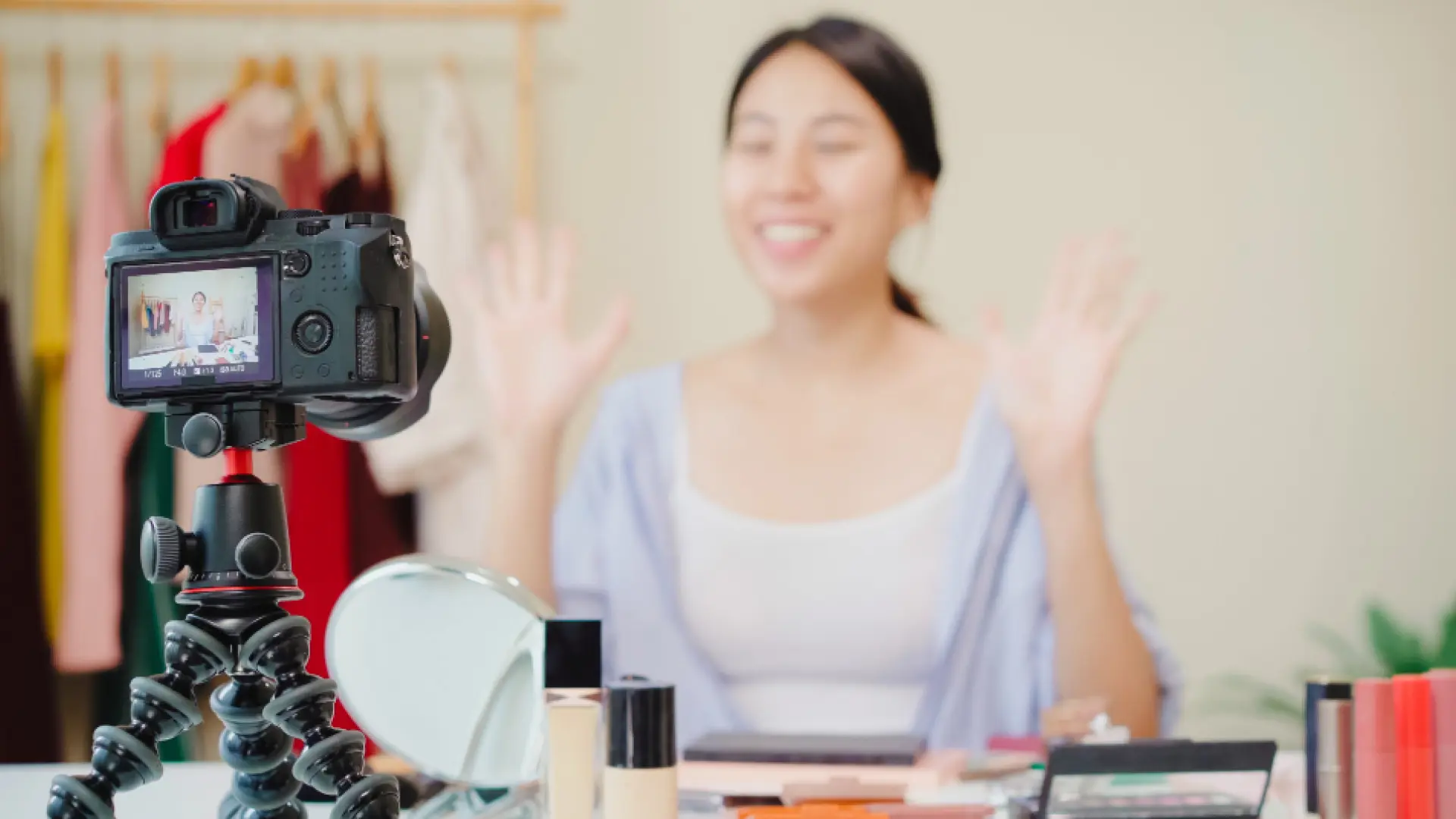
A content creator filming user-generated content
Introduction
The era of the “Mega-Influencer money printer” is officially over. Millions of followers used to guarantee ROI, but the whole “polished and perfect” aesthetic has finally hit a wall. It’s not that Key Opinion Leaders (KOLs) are dead. The playbook just doesn’t work the same anymore, and audiences are bored with the same old script.
In 2026, the difference between a campaign that looks big and one that actually converts comes down to one thing: authenticity. So the real question is, what works better now? UGC or Big KOLs? And how should brands actually choose?
As brands reassess their strategies, we’ve seen UGC vs Big KOLs explained in many ways, but identifying which works best in 2026 requires looking beyond just follower counts. Before jumping into tactics, let’s break down what’s really changed and why influence today feels very different from just a few years ago.
The shift in the influencer playbook
For years, the simple rule was that huge follower counts meant more influence. Bigger reach, bigger impact. While that logic used to work, now it doesn’t anymore. Even The New Yorker noticed this in the piece “It’s Cool to Have No Followers Now,” noting that massive followings no longer carry the same meaning—and that smaller audiences are often seen as more authentic and relevant.
This means niche influencers and small creators will soar, because their presence feels more intentional, more personal, and more trusted by their communities.
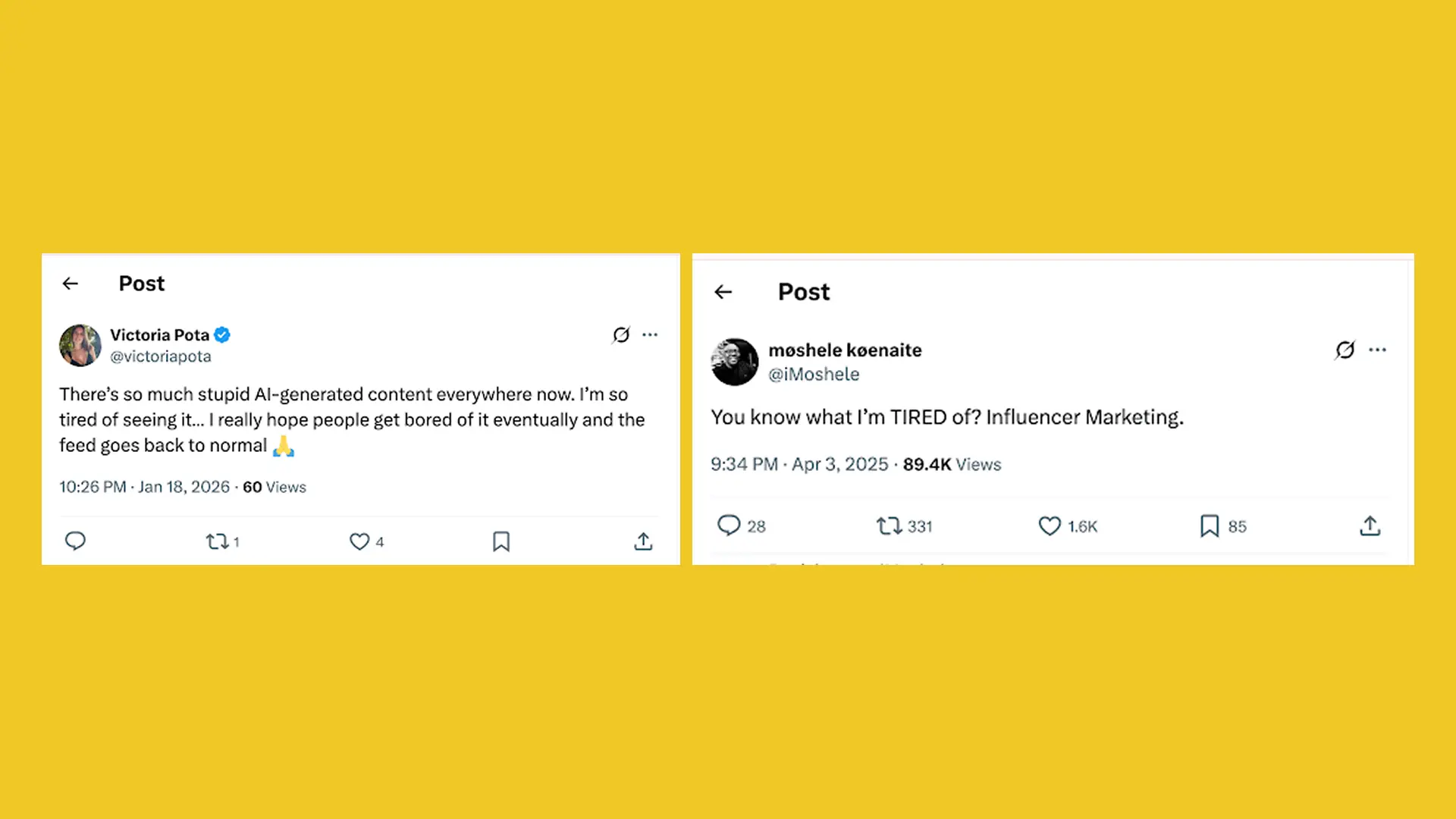
Today, across generations—from Gen Z to Millennials, even Gen Alpha—everyone can spot campaigns from a mile away. Add aging social platforms and a flood of AI-slop content, it’s no surprise we’re all tired of the same overly polished posts that feel more like ads than conversations. This is where the shift starts. When content feels more real and relatable, it naturally drives higher engagement.
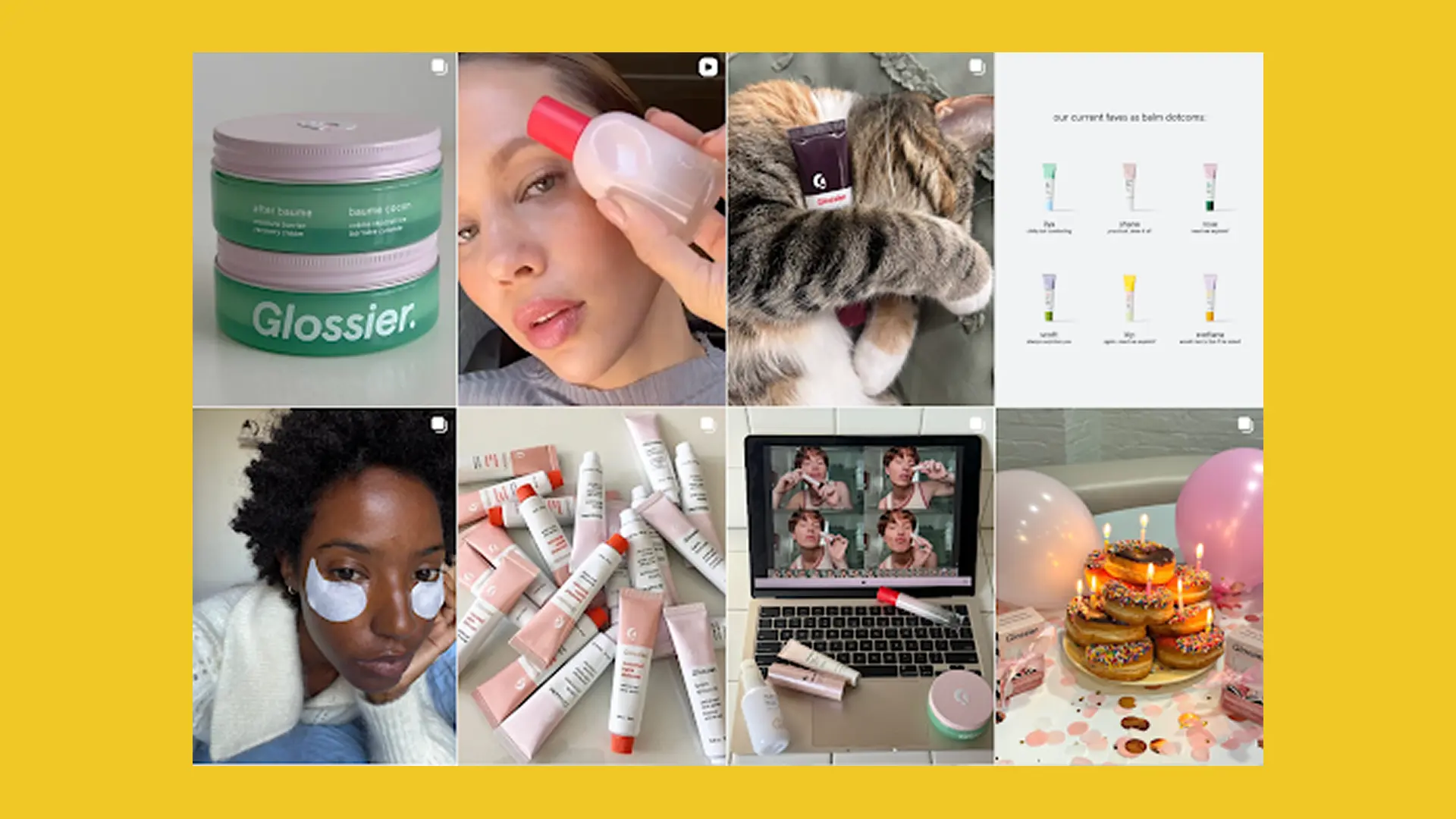
Glossier’s Instagram feed reposts UGC and collaborates with micro-influencers.
In an oversaturated social media landscape, attention is no longer earned by looking perfect, but by feeling genuine. You can see this shift most clearly with Gen Z, they’re basically the blueprint for how everyone’s consuming content right now.
Insights from Amra & Elma show that Gen Z engages more with micro and nano influencers, as well as indie brands. They prioritise content that feels specific, passionate, and community-driven. In fact, 69% trust micro-influencers more than celebrities, and 61% prefer user-generated content over polished ads.
At the same time, the line between UGC and influencer content is basically gone. People don’t trust brands talking about themselves. They trust people who actually use the product. That’s why creators today often outrank friends, ads, and sometimes even the brand itself when it comes to influence.

When it feels real, people trust it—and that’s where UGC and micro-creators actually perform.
You can see this in how brands are adapting. Semrush leans heavily into employee-led content on its LinkedIn. Glossier and Rhode scale through UGC and micro-influencers. These strategies work not because they’re louder, but because they feel human. They also tend to deliver more consistent performance, especially when paired with creators who are genuinely high-performing within their niche.
UGC or Big KOLs, what should we choose?
There’s no one-size-fits-all answer here. The real question isn’t UGC or Big KOLs, but what are you actually trying to achieve? In 2026, the success of any influencer campaign depends far more on context and execution than on follower count alone.
User-generated content and micro-influencers shine when trust and authenticity matter most. Creators who genuinely use and believe in a product feel more relatable, and that shows in performance. This type of content works especially well for lower to mid-funnel goals: building credibility, driving engagement, and creating high-converting ad creatives at a much lower cost. Brands that actually vibe with their creators' values are the ones winning here. Big KOLs, on the other hand, still do what they’ve always done best: scale awareness. They’re powerful for launches, brand storytelling, and reaching a wide, established audience quickly. But they come with higher costs and higher risk. Choosing the wrong KOL, even with massive reach, can easily result in impressive views with little impact. So what should brands do? In most cases, the smartest move is combining both. Use UGC and micro-creators to build trust and drive conversions. Then, use Big KOLs strategically to amplify awareness. The mistake isn’t working with Big KOLs. It’s expecting them to do everything.
Where most influencer campaigns go wrong
Most influencer campaigns fail because brands over-engineer them. On TikTok and Instagram, scripted content quickly feels generic when creators aren’t allowed to be themselves—and audiences notice.
Another common mistake is funnel blindness. Brands expect one creator to deliver awareness, trust, and conversion at the same time. When roles aren’t defined, even high-budget campaigns end up delivering vanity metrics instead of real impact.
Instead of expecting one creator type to do everything, brands that align creators with funnel stages tend to see more consistent and sustainable results.
Conclusion
In 2026, influence is about being believable. The era of polished mega-influencers is fading, replaced by a demand for real voices and real opinions. UGC vs Big KOLs was never a binary choice—it’s about using each for what they actually do best.
Big KOLs still create scale, while UGC and micro creators create trust. Brands that win stop treating creators like ad space and start treating them like collaborators. Let creators tell the story, map them to the right funnel stage, and resist the urge to over-polish. Because in today’s landscape, the brands that stand out aren’t the loudest. They’re the ones people actually believe.